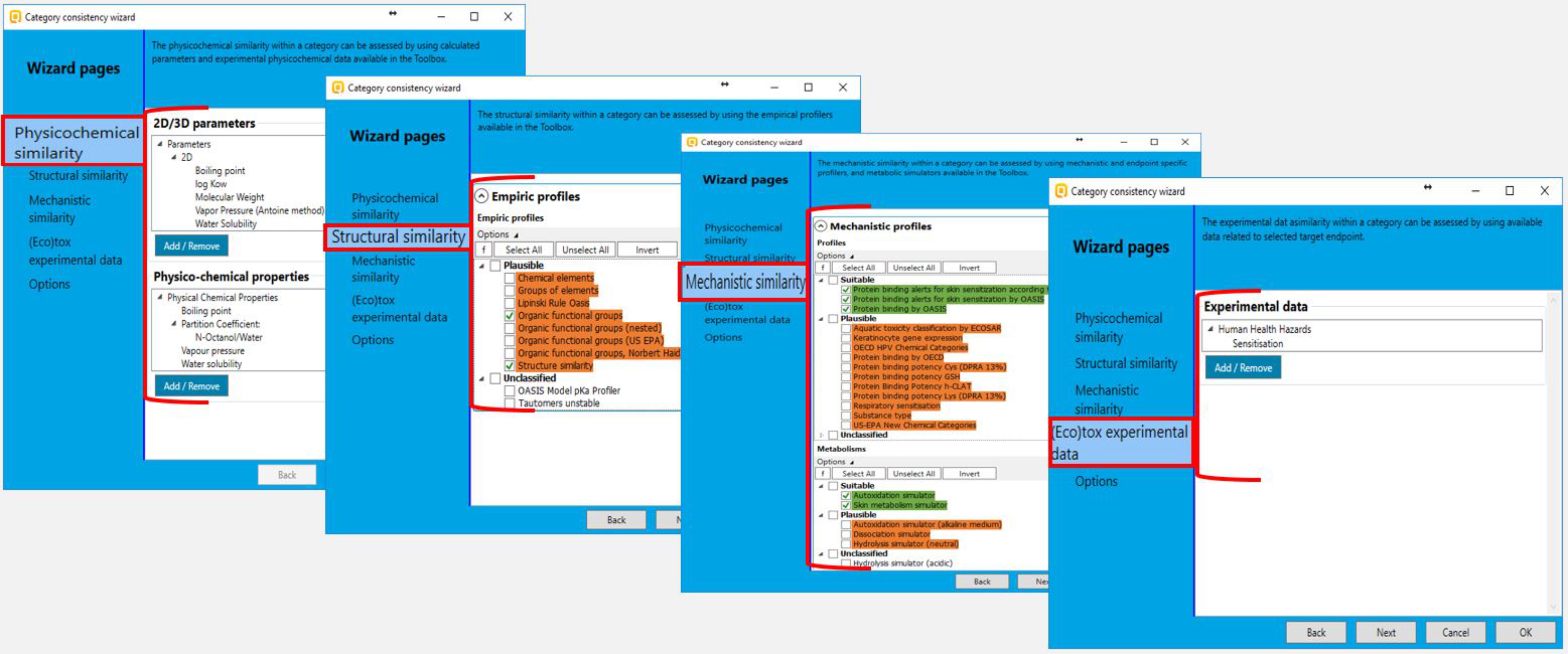
Category consistency in the OECD QSAR Toolbox: assessment and reporting tool to justify read-across is the next paper of the series papers focused on the new functionalities in QSAR Toolbox. In the paper one could find out how to collect information related to the physicochemical, structural and mechanistic consistency of a formed category.
read more
Tester Name
21.January.2019
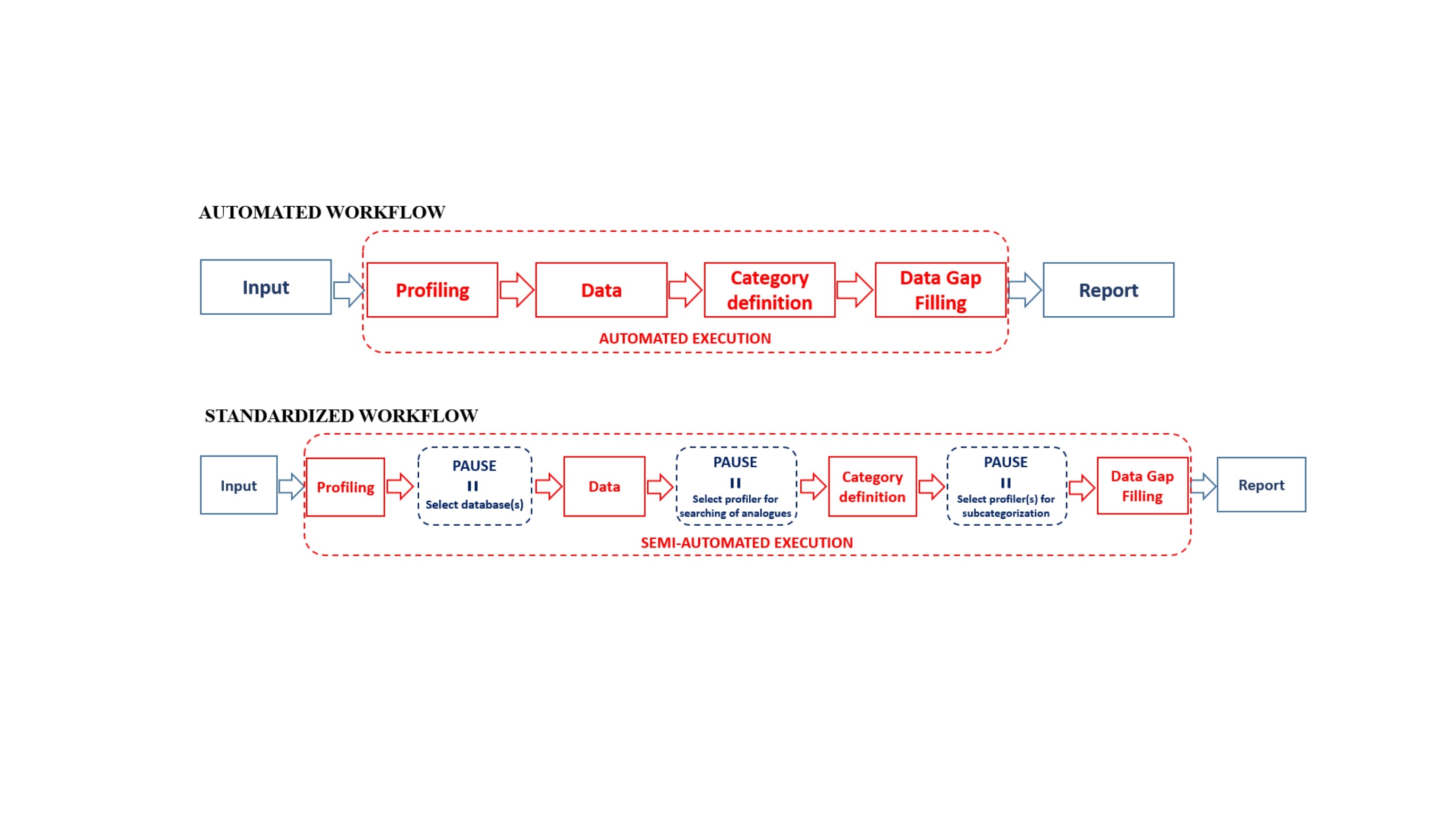
How the Automated and standardized workflows in Toolbox are developed? What is the logic behind?
Find out more in the Automated and Standardized workflows in QSAR Toolbox – one of the series papers on the new functionalities in QSAR Toolbox.
read more
Tester Name
20.January.2019
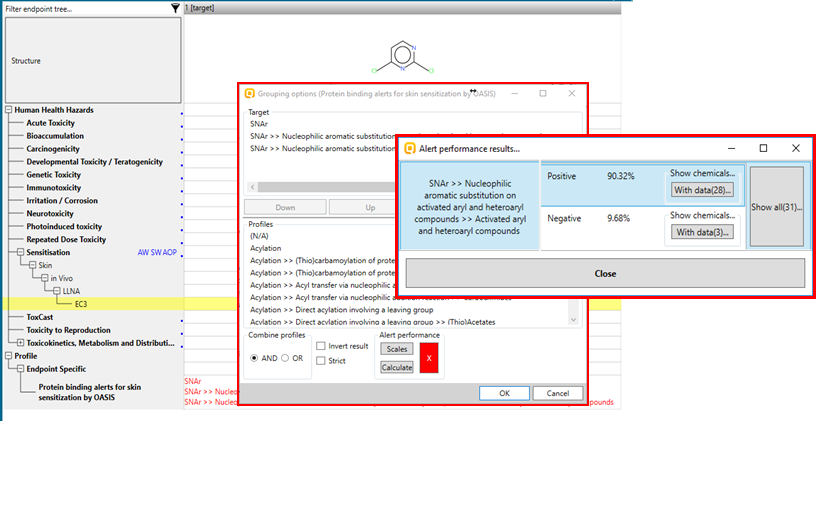
What is “Alert performance” in the context of Toolbox?
When and how the Alert performance could help you?
Find out more in the “Alert performance functionality in the OECD QSAR Toolbox” – one of the series papers on the new functionalities in QSAR Toolbox.
read more
Tester Name
15.January.2019
Some of the new features in Toolbox include:
- 57 databases with almost 2.5 million measured data points – 2 new databases and the latest versions of EChA CHEM and ECOTOX databases are included
- 73 profiling schemes – 5 new and 16 updated profilers
- 5 new methods for assessing pKa
- 159 new (Q)SAR models – including pre-calculated online Danish QSAR DB models and new pKa models
And more…
- (Q)SAR editor – possibility to create custom (Q)SAR model by dynamic link to external online QSAR computational platform or by equation; possibility to edit, import and export the custom profilers
- Effectopedia Wizard – connection between Toolbox and Effectopedia is possible now
- Stereo information – New buttons for drawing stereo bonds in the 2D editor and visualization of the stereo information on the data matrix
- ChemID – possibility to search by additional chemical identifier (EC number); possibility to include additional ID information in the custom inventories during the import
- Public API – Toolbox application program interface is now publicly available. This allows software developers to enrich Toolbox tools library with additional parameter calculators, profilers, (Q)SAR models and metabolism simulators.
read more